

|
Air Training Corps (ATC/AirTC) & Australian Air Force Cadets (AAFC) |
||||||||||||||||||||||||||||||||||||||||||||||||||||||||||||||
 |
|
|
||||||||||||||||||||||||||||||||||||||||||||||||||||||||||||
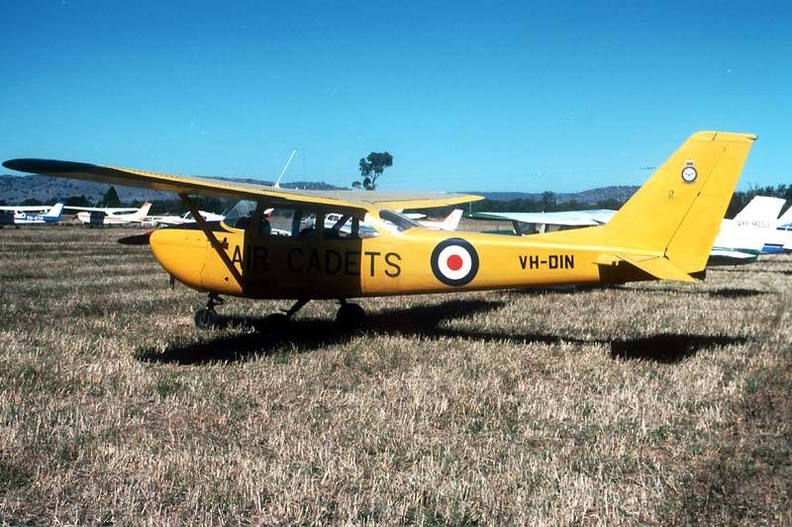
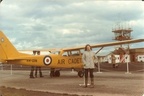
| In February 1941, the Australian War Cabinet approved the formation of a cadet corps (known as the Air Training Corps or ATC) as part of the RAAF Reserve. The Corps with an objective to train young men between 16 and 18 to join the wartime RAAF. It was also intended to encourage young men to increase their knowledge of air matters and in particular the RAAF, instill a sense of discipline, and provide elementary training in air-related technical matters.
On 26 August 1975 the Minister for Defence announced that the Australian Cadet Corps (Army Cadets) was to be disbanded from 1 January 1976 (based on the recommendations of the Millar Report of 1975) along with the Navy Cadets. On 27 May 1976, the Federal Government’s Minister for Administrative Services announced the re-formation of the Australian cadets’ movement and the ATC was renamed AIRTC. In 2001 the Air Training Corps (AIRTC) became the Australian Air Force Cadets (AAFC) and along with the Australian Army Cadets (AAC) and the Australian Navy Cadets (ANC) it is now part of the Australian Defence Force Cadets. In April 2005, a re-organisation of the AAFC raised three functional Wings:
An Office of the Chief of Staff provides national policy with command authority and the traditional operational Wings continued based on state boundaries to provide service delivery and focus as follows:
|
||||||||||||||||||||||||||||||||||||||||||||||||||||||||||||||
| |
|
|
||||||||||||||||||||||||||||||||||||||||||||||||||||||||||||
|
Page Authors: Brendan Cowan & Martin Edwards Converted to CMS 29th August 2025 Updated 13th May 2021 |
||||||||||||||||||||||||||||||||||||||||||||||||||||||||||||||
|
|
ADF-SERIALS HOME About Us RAAF Serials Explained Contact Us Source Documents Donations Copyright & Disclaimer Newsletter Research Site Links |
|